
Mo₀.₇₅W₀.₂₅Se₂ Crystals
Mo₀.₇₅W₀.₂₅Se₂ is a layered transition metal dichalcogenide (TMDC) alloy with a van der Waals structure. The alloying of molybdenum and tungsten in a 3:1 ratio enables tunable electronic, optical, and catalytic properties, making it highly valuable for advanced research in optoelectronics, quantum materials, and energy applications.
Sample Size Options:
Crystals larger than 10 mm²
Material Properties:
Layered van der Waals Structure: Facilitates exfoliation into monolayers or few-layer sheets for 2D material studies.
Tunable Bandgap: Alloy composition allows precise control over electronic and optical properties.
High Optical Absorption: Strong absorption in the visible and near-infrared ranges.
Enhanced Carrier Dynamics: Improved charge mobility for high-performance electronic and optoelectronic devices.
Crystal Structure:
Type: Hexagonal layered structure
Features: Cleavable layers suitable for thin-film fabrication and nanoscale research.
Degree of Exfoliation:
Ease of Use: Readily exfoliates into thin layers for advanced research and device integration.
Other Characteristics:
Optoelectronic Potential: High photoluminescence and tunable bandgap for cutting-edge optical applications.
Quantum Research Opportunities: Enables the study of alloy-induced quantum effects and bandgap engineering. Energy
Applications: Promising for hydrogen evolution reactions (HER) and other catalytic processes.
Applications:
Optoelectronics:
Suitable for photodetectors, LEDs, and photovoltaic cells. Quantum Materials Research:
Ideal for exploring electronic transport phenomena and quantum effects in alloyed TMDCs. Energy
Applications:
High catalytic performance for HER and energy storage technologies.
2D Material Studies:
Perfect for exfoliation into thin layers and integration into van der Waals heterostructures. Sensors:
Highly sensitive for detecting environmental and chemical stimuli.
| Option 1 | > 10 mm² |
|---|
Related products
-
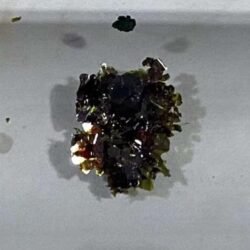
CrBr₃ Crystals
£499.99 -
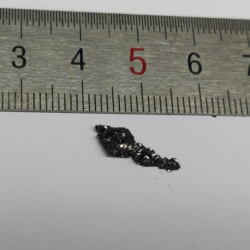
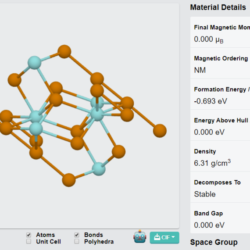
ZrTe₃ Crystals
Price range: £499.99 through £599.99 -
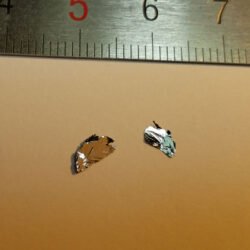
MoTe₂ Crystals (2H phase)
Price range: £499.99 through £569.99 -
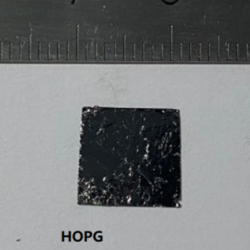
HOPG
£479.99 -
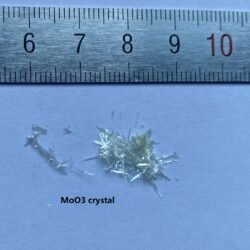
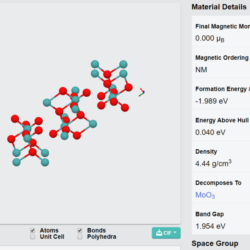
α-MoO₃ Crystals
Price range: £459.99 through £499.99 -
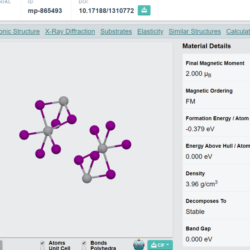
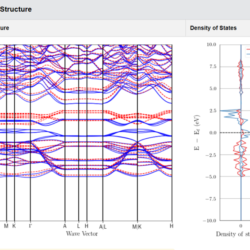
VI₃ Crystals
Price range: £499.99 through £599.99 -
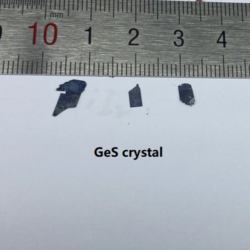
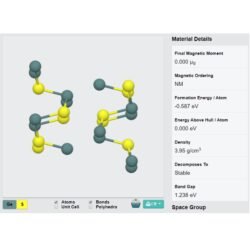
GeS Crystals
Price range: £499.99 through £549.99 -
VS₂ Crystals
Price range: £499.99 through £569.99 -
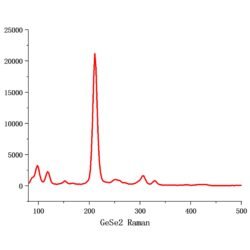
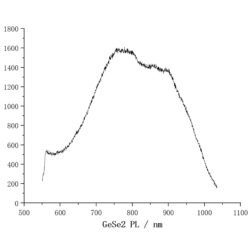
GeSe₂ Crystals
Price range: £499.99 through £569.99 -
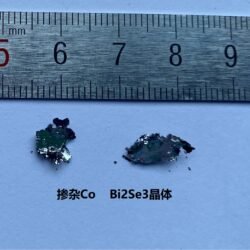
Co-Doped Bi₂Se₃ Crystals
£499.99