
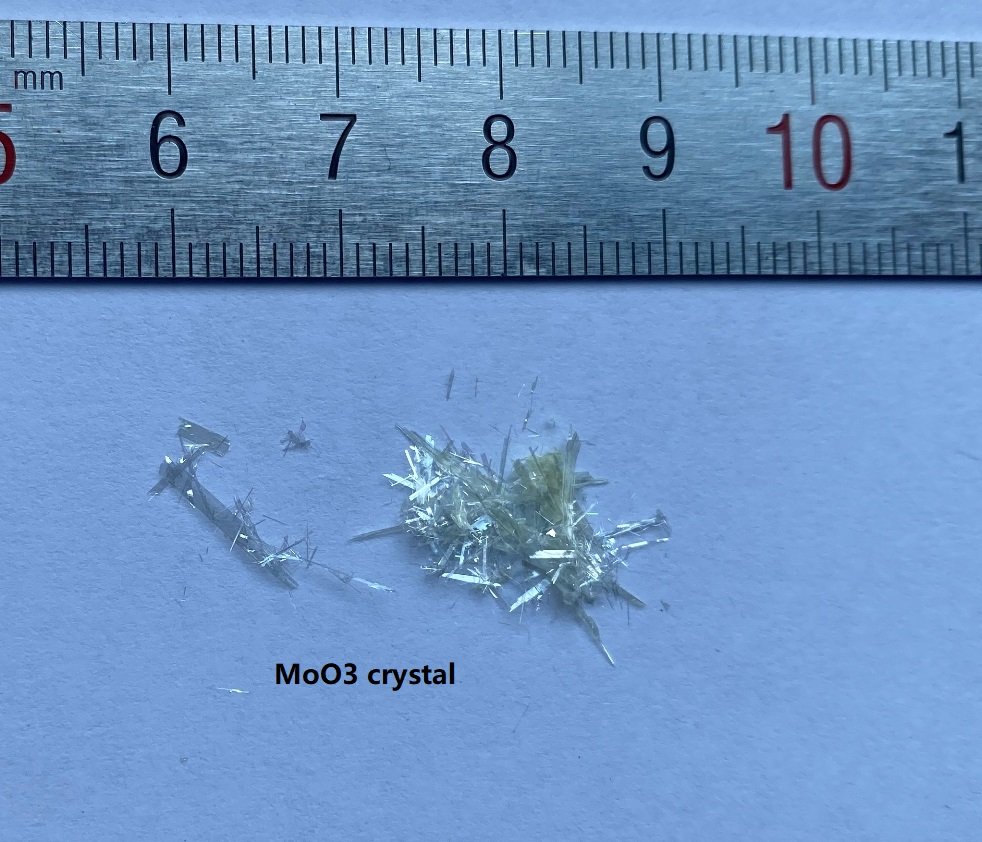
α-MoO₃ Crystals
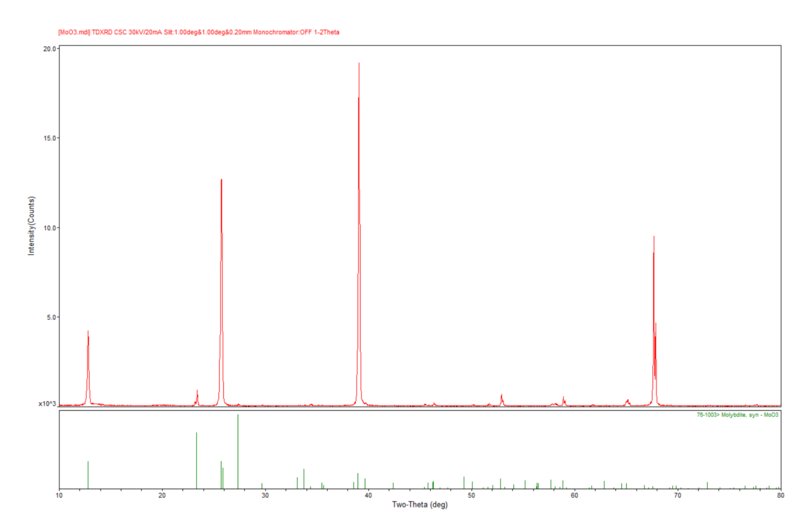
α-MoO₃ is a layered metal oxide with a unique orthorhombic structure, widely studied for its strong optical, electronic, and catalytic properties. Known for its anisotropic behavior and high surface area, α-MoO₃ is a promising material for energy storage, catalysis, and advanced 2D material research. Our α-MoO₃ crystals are synthesized using high-temperature vapor phase methods, ensuring high purity, excellent crystallinity, and reliable performance for cutting-edge applications.
Sample Size Options:
Crystals larger than 10 mm²
Crystals larger than 25 mm²
Material Properties:
Layered Orthorhombic Structure: Enables exfoliation into thin layers for 2D material studies. Wide Bandgap: (~3.0 eV), suitable for optoelectronic and photocatalytic applications.
High Anisotropy: Strongly direction-dependent optical and electronic properties.
Environmental Stability: Maintains structural and electronic integrity under ambient conditions.
Crystal Structure:
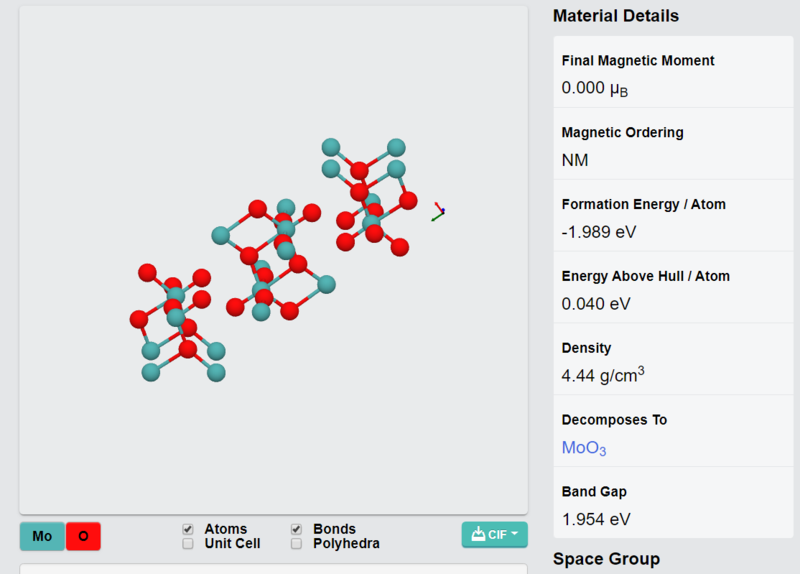
Type: Orthorhombic layered structure
Features: Easily cleavable, ideal for creating thin layers or nanosheets.
Degree of Exfoliation:
Ease of Use: Readily exfoliated into thin layers for research and device fabrication.
Other Characteristics:
Optoelectronic Properties: High transparency in the visible range and strong light absorption in the UV range.
Catalytic Activity: Exceptional performance in oxidation and hydrogen evolution reactions (HER). Energy
Applications: High suitability for use in batteries and supercapacitors due to its layered structure and electronic properties.
Applications:
Optoelectronics:
Ideal for UV photodetectors and light-emitting devices. Catalysis:
Highly efficient for oxidation reactions and energy conversion processes. Energy Storage:
Promising for use in batteries, supercapacitors, and other energy storage technologies.
2D Material Research:
Suitable for exfoliation into thin layers for van der Waals heterostructures. Sensors:
High sensitivity to gases and environmental changes, making it ideal for sensing applications.
| Option 1 | > 10 mm², > 25 mm² |
|---|
Related products
-
WSSe Crystals
Price range: £599.99 through £899.99 -
TiS₃ Crystals
Price range: £469.99 through £899.99 -
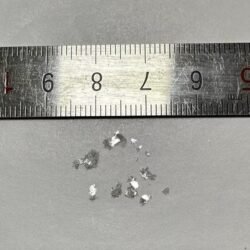
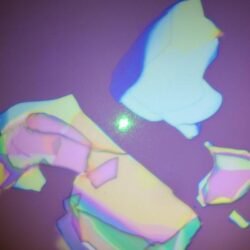
BiOCl Crystals
Price range: £499.99 through £569.99 -
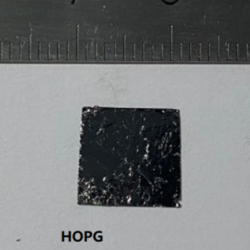
HOPG
£479.99 -
CrBr₃ Crystals
£499.99 -
NiI₃ Crystals
Price range: £499.99 through £899.99 -
Te Crystals
£499.99 -
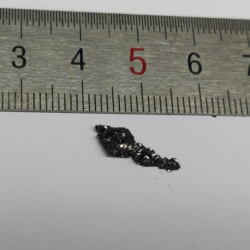
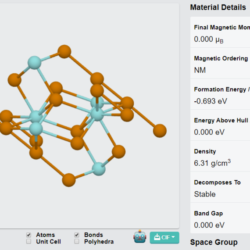
ZrTe₃ Crystals
Price range: £499.99 through £599.99 -
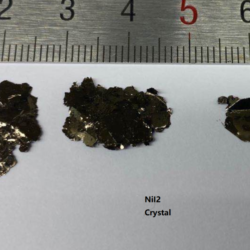
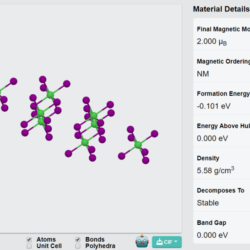
NiI₂ Crystals
Price range: £499.99 through £998.99 -
InGaS₃ Crystals
£499.99