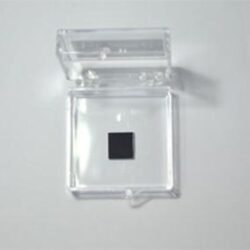
Graphene Transferred onto Glass Substrate (1 cm x 2 cm)
CAS Number: 7782-42-5
Substrate Size: 1 cm x 2 cm
Preparation Method: Graphene film is grown on copper foils via Chemical Vapor Deposition (CVD) and transferred onto glass substrates using a PMMA (polymethyl methacrylate) layer and wet chemical transfer techniques. Morphology Options:
Continuous Monolayer Film
Continuous Multilayer Film
For specific requirements, please contact us directly.
Substrate Options:
Graphene film is transferred onto glass substrates. Custom transfer to other substrate materials is available upon request-please visit our Custom Products page or contact us for assistance.
Fundamental Properties:
Graphene film transferred onto glass substrates retains its exceptional electronic, optical, and mechanical properties, while leveraging the insulating and transparent properties of the glass substrate. The PMMA-assisted transfer ensures high-quality, uniform graphene films with minimal defects, making it suitable for advanced optoelectronic and sensing applications. Key properties include: Electrical Properties: High electrical conductivity with carrier mobility exceeding 10,000 cm²/V-s. Typical sheet resistance <=500 Ω/sq (monolayer) and <=100 Ω/sq (multilayer). Low Raman D/G ratio confirms minimal defect density after PMMA-assisted wet transfer.
Optical Transparency: Graphene on glass transmits ~97.7% of visible light, enabling its use in transparent and optoelectronic devices.
Mechanical Properties: Exceptional strength and flexibility, with a tensile strength of ~130 GPa, suitable for robust yet lightweight designs.
Thermal Properties: High thermal conductivity of graphene allows for efficient heat dissipation, ideal for high-performance devices.
Applications: Optoelectronics: Ideal for transparent conductive films in displays, touchscreens, and photovoltaic devices, leveraging the insulating and transparent nature of the glass substrate.
Sensors: Graphene on glass is highly sensitive for detecting gases, chemicals, and biological molecules due to its conductive and high-surface-area properties. Energy Applications: Utilized as transparent electrodes in energy storage devices, such as supercapacitors and batteries, where the glass substrate provides stability and transparency. Coatings and Photonics: Graphene on glass can be used as a conductive layer for enhancing optical devices and protective coatings.
| Option 1 | Continuous Monolayer Film, Continuous Multilayer Film |
|---|
Related products
-

Molybdenum Disulfide (MoS₂)
Original price was: £419.99.£377.99Current price is: £377.99. Hot10% off -

-
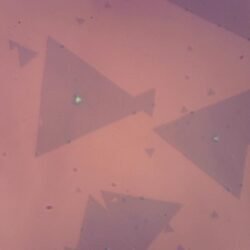
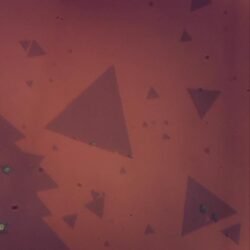
Molybdenum Diselenide (MoSe₂)
£429.99 -
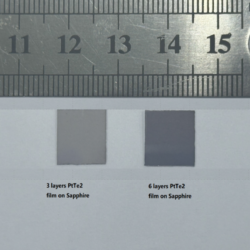
Platinum Ditelluride (PtTe₂)
£429.99 -
Tin Sulfide (SnS)
£429.99 -
Antimony Telluride (Sb₂Te₃)
£429.99 -
-
-


-