
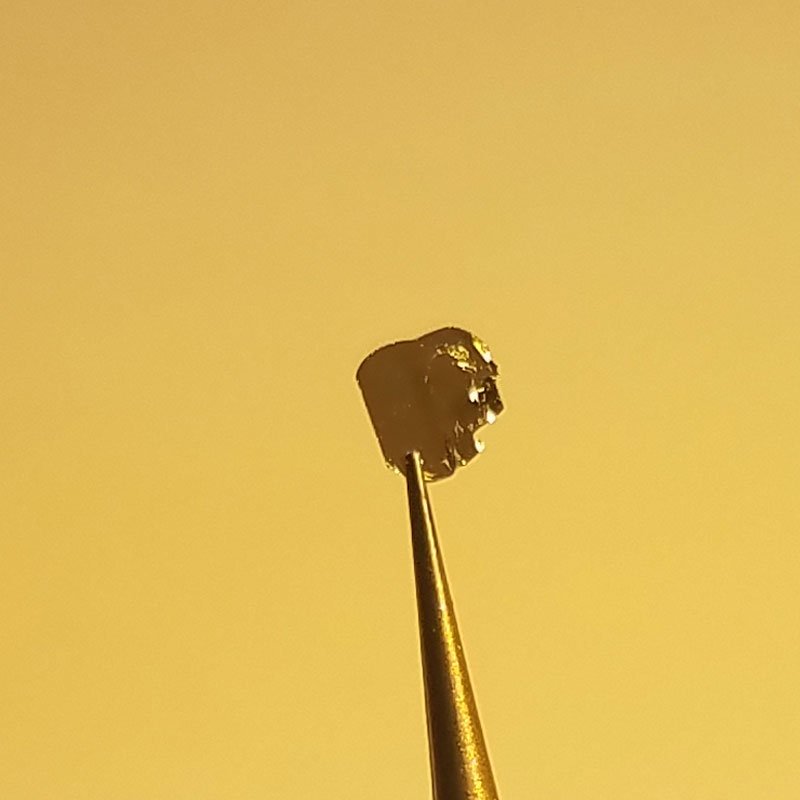
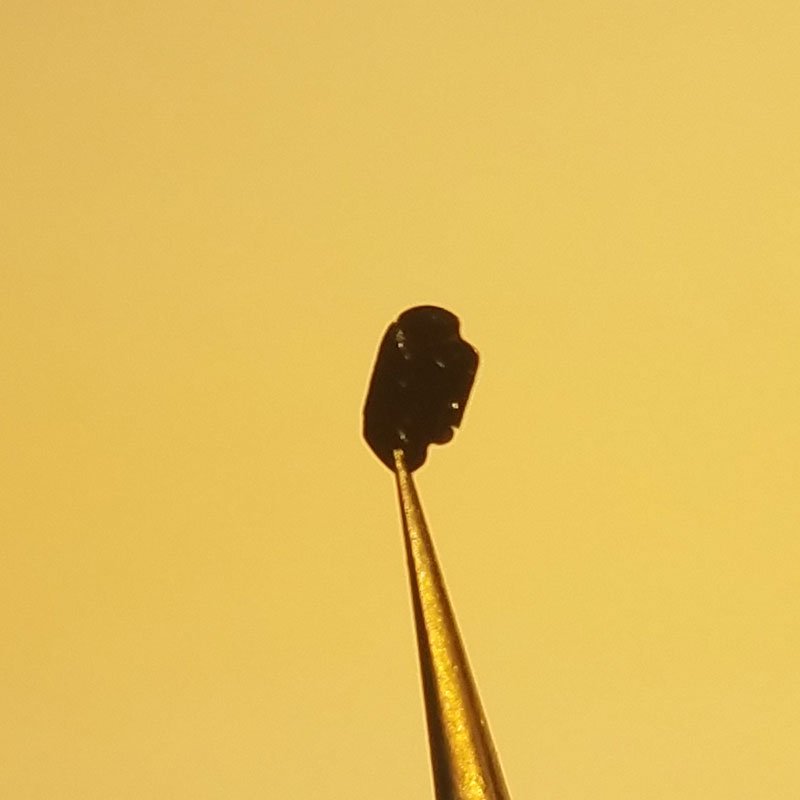
SnS Crystals
SnS (Tin(II) Sulfide) is a layered semiconductor material with an orthorhombic crystal structure and optoelectronic, thermoelectric, and photovoltaic properties. Applications include thin-film solar cells, photodetectors, and energy storage devices. The source describes the composition as earth-abundant and non-toxic. SnS crystals are synthesized using the Chemical Vapor Transport (CVT) method.
Sample Size Options:
Crystals larger than 10 mm²
Crystals larger than 25 mm²
Crystals larger than 100 mm²
Material Properties:
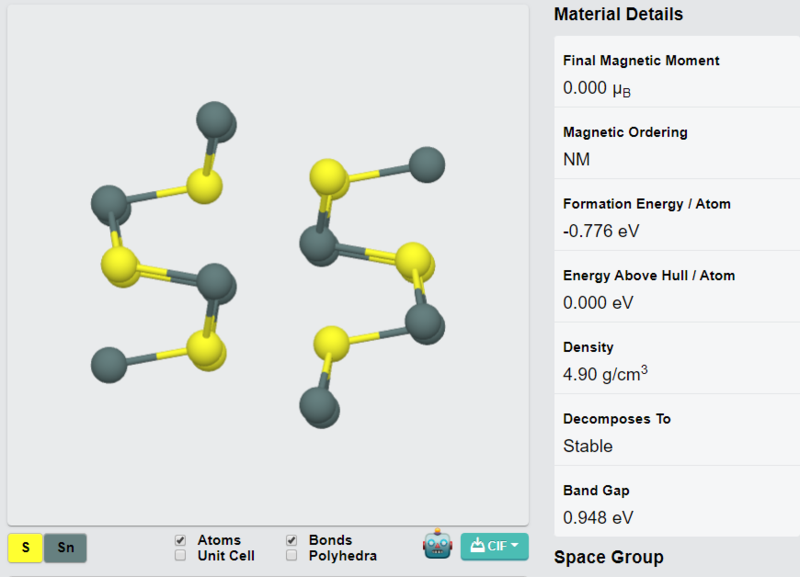
Layered Orthorhombic Structure: Facilitates exfoliation into monolayers or few-layer nanosheets for 2D materials research.
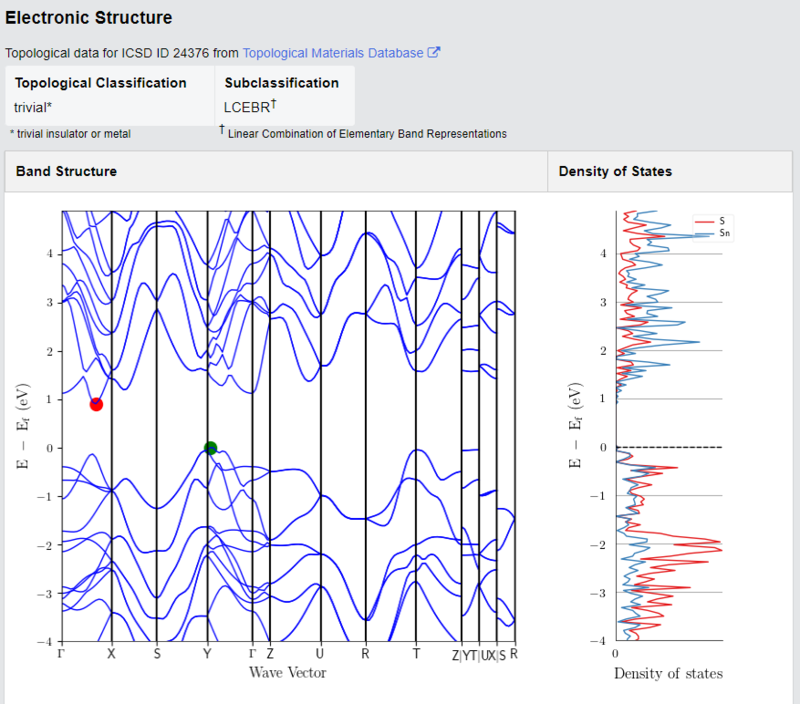
Variable Bandgap: Indirect bandgap of ~1.1 eV in bulk, supporting photovoltaic and optoelectronic applications.
Absorption Coefficient: Absorption in the visible and near-infrared spectrum, applicable for solar energy conversion.
Thermoelectric Performance: Seebeck coefficient and low thermal conductivity, applicable to thermoelectric devices.
Crystal Structure:
Type: Orthorhombic layered structure (Pnma space group)
Features: Layers applicable for thin-film fabrication, nanoscale devices, and material characterization.
Degree of Exfoliation:
Ease of Use: Exfoliated into monolayers or few-layer nanosheets for materials research and heterostructure assembly.
Other Characteristics:
Anisotropic Electrical Properties: Exhibits direction-dependent charge transport, applicable to device designs.
Photovoltaic Efficiency: Applicable for thin-film solar cells due to its absorption coefficient and specified bandgap. Composition: Composed of non-toxic, earth-abundant elements.
Applications:
Photovoltaics:
Applicable for thin-film solar cells due to its light absorption and variable bandgap. Optoelectronics:
Applicable to photodetectors, light-emitting devices (LEDs), and infrared sensors. Thermoelectric Devices:
Thermoelectric applications include energy harvesting and thermal management.
2D Material Studies:
Applicable for exfoliation into monolayers and assembly into van der Waals heterostructures. Energy Storage:
Potential applications in lithium-ion batteries, supercapacitors, and other energy storage systems. Synthesis Method:
Chemical Vapor Transport (CVT).
| Option 1 | > 10 mm², > 100 mm², > 25 mm² |
|---|
Related products
-
WSeTe Crystals
Price range: $835.32 through $1,252.98 -
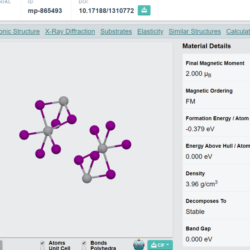
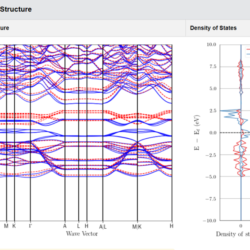
VI₃ Crystals
Price range: $696.09 through $835.32 -
FeBr₃ Crystals
Price range: $654.33 through $696.09 -
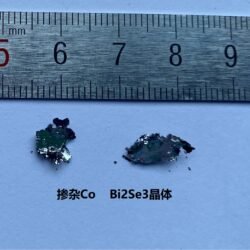
Co-Doped Bi₂Se₃ Crystals
$696.09 -
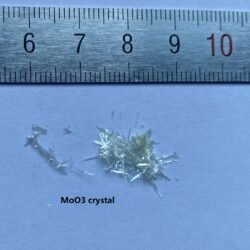
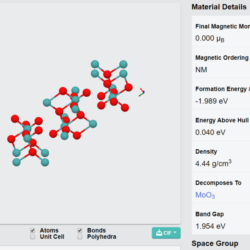
α-MoO₃ Crystals
Price range: $640.41 through $696.09 -
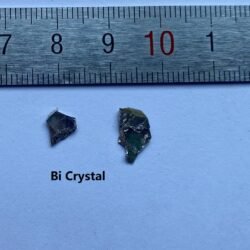
Bi Crystals
$696.09 -
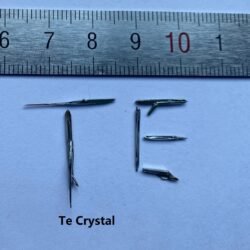
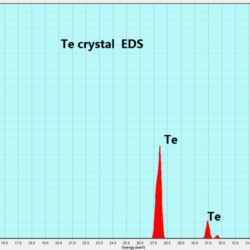
Te Crystals
$696.09 -
BiI₃ Crystals
Price range: $696.09 through $1,252.98 -
WSSe Crystals
Price range: $835.32 through $1,252.98 -
Co₃Sn₂S₂ Crystals
$835.32