
GeSb₄Te₇ Crystals
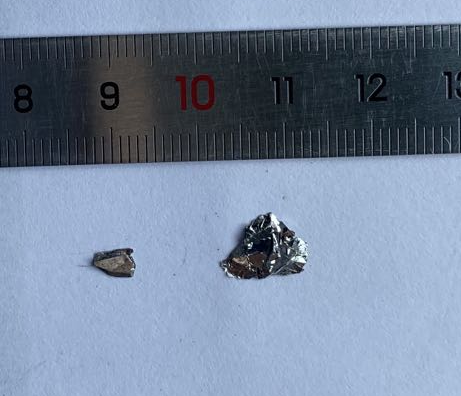
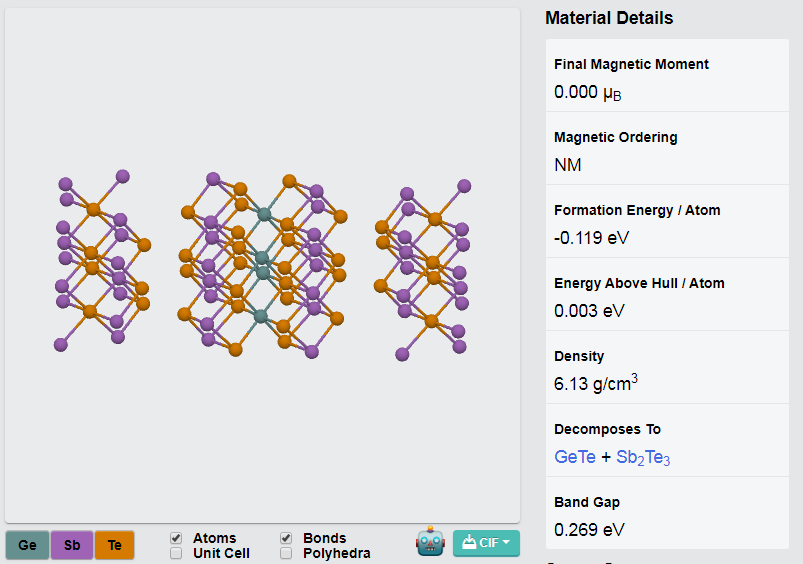
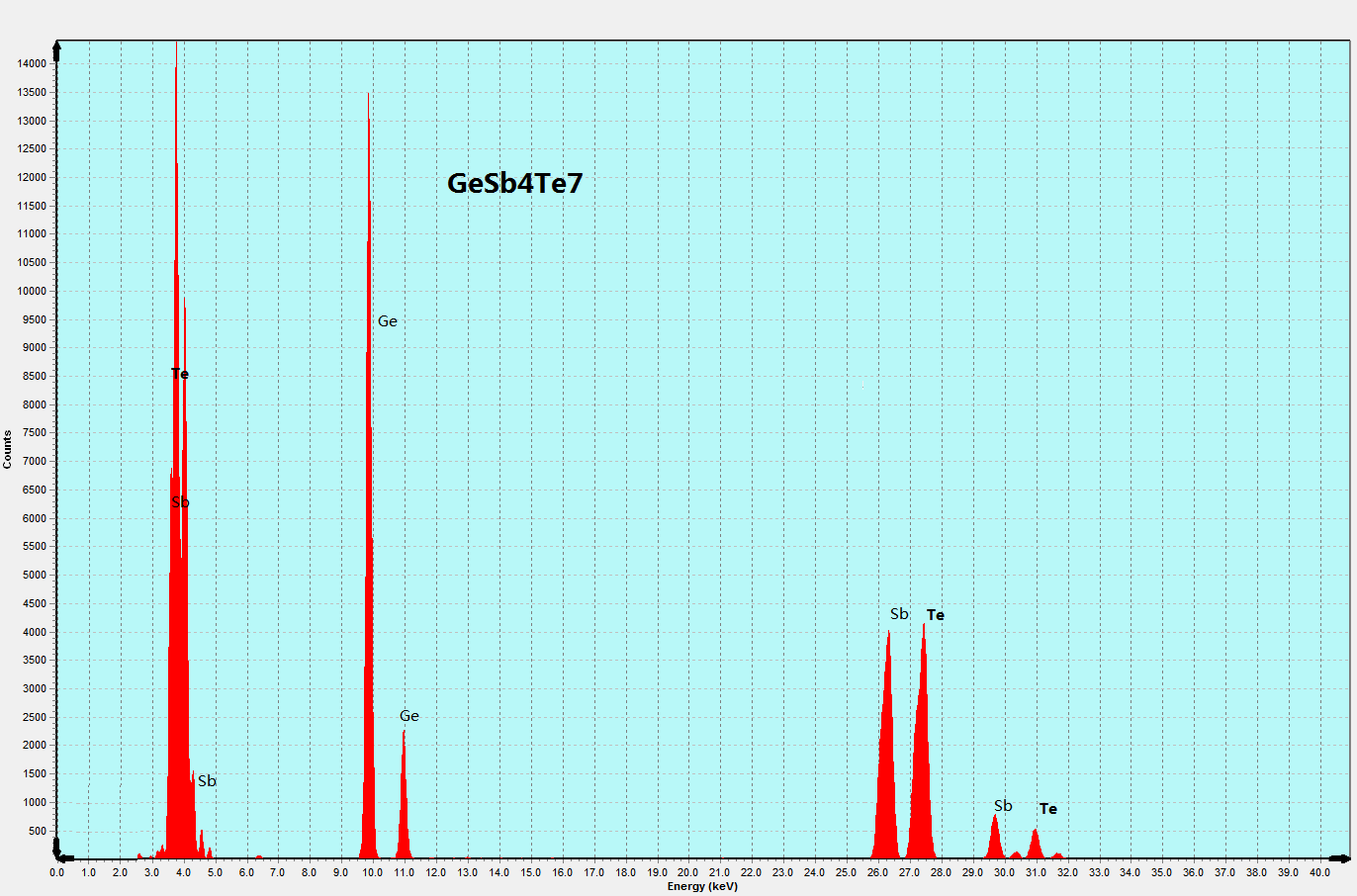
GeSb₄Te₇ is a layered chalcogenide material with a van der Waals structure, described for its phase-change properties and thermoelectric performance. It exhibits high electrical conductivity, strong optical absorption, and phase behavior, making it a promising material for non-volatile memory, energy conversion, and optoelectronics applications. Our GeSb₄Te₇ crystals are synthesized using the Chemical Vapor Transport (CVT) method, with high purity, precise stoichiometry, and high crystallinity.
Sample Size Options:
Crystals larger than 10 mm²
Crystals larger than 25 mm²
Material Properties:
Phase-Change Behavior: Exhibits reversible switching between amorphous and crystalline phases for memory applications.
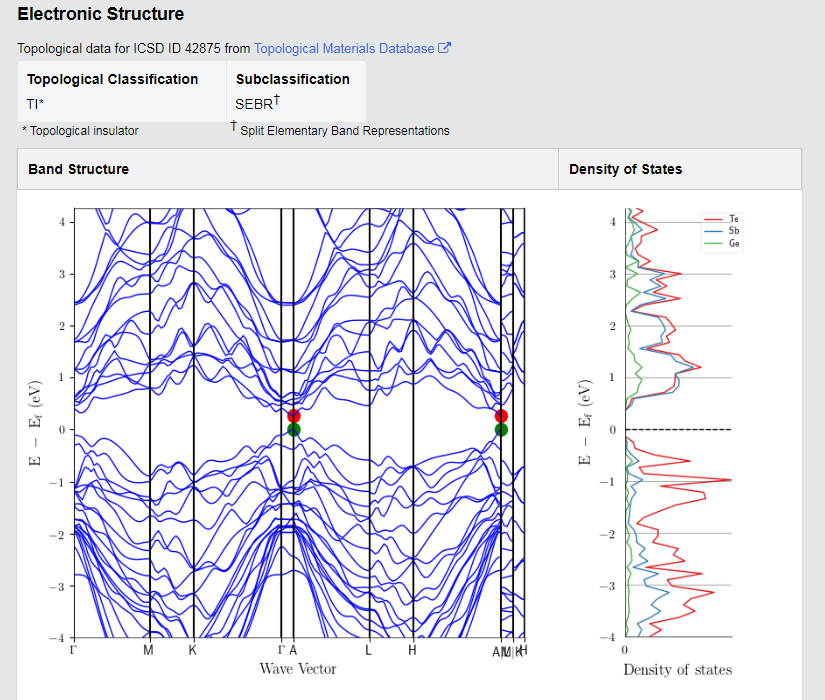
Thermoelectric Performance: High Seebeck coefficient and low thermal conductivity.
Optical Properties: Strong absorption in the visible and infrared ranges, applicable for photonic devices. Layered van der Waals Structure: Permits exfoliation into thin films for nanoscale research.
Crystal Structure:
Type: Rhombohedral layered structure
Features: Cleavable layers applicable for thin-film fabrication and device assembly.
Degree of Exfoliation:
Ease of Use: Readily exfoliates into monolayers or few-layer sheets for specialized research applications.
Other Characteristics:
Energy
Applications: Applicable to thermoelectric devices and energy storage systems. Non-Volatile Memory Potential: Promising for phase-change memory (PCM) technology. Optoelectronic
Applications: High optical performance for photodetectors and light-emitting devices.
Applications:
Non-Volatile Memory:
Applicable for phase-change memory and reconfigurable computing. Thermoelectric Devices:
Promising for energy conversion and thermal management systems. Optoelectronics:
Applicable to photodetectors, infrared sensors, and other photonic technologies.
2D Material Studies:
Applicable for exfoliation into thin layers and assembly with van der Waals heterostructures. Quantum Materials Research:
Permits exploration of low-dimensional and thermoelectric phenomena.
| Option 1 | > 10 mm², > 25 mm² |
|---|
Related products
-
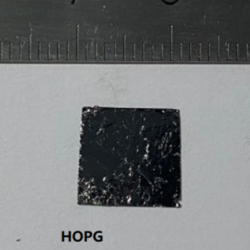
HOPG
$668.25 -
WSSe Crystals
Price range: $835.32 through $1,252.98 -
TiS₃ Crystals
Price range: $654.33 through $1,252.98 -
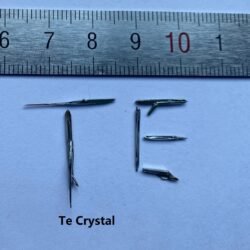
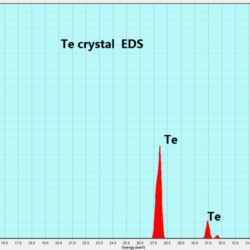
Te Crystals
$696.09 -
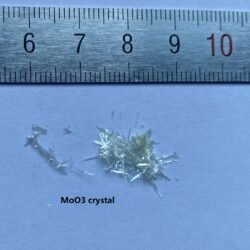
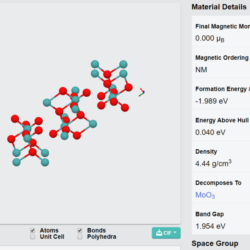
α-MoO₃ Crystals
Price range: $640.41 through $696.09 -
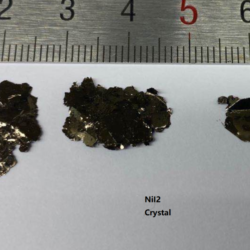
NiI₂ Crystals
Price range: $696.09 through $1,390.81 -
GeS Crystals
Price range: $696.09 through $765.70 -
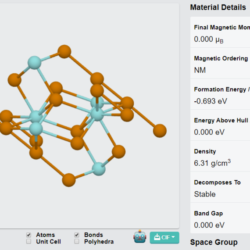
ZrTe₃ Crystals
Price range: $696.09 through $835.32 -
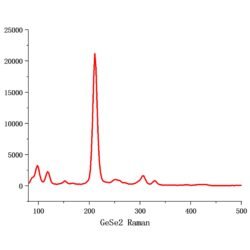
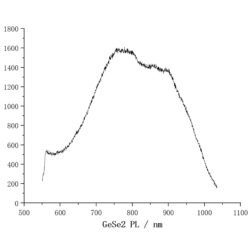
GeSe₂ Crystals
Price range: $696.09 through $793.55 -
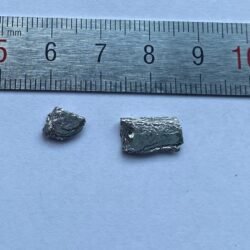
Ni₂Bi₂Te₅ Crystals
Price range: $696.09 through $793.55