
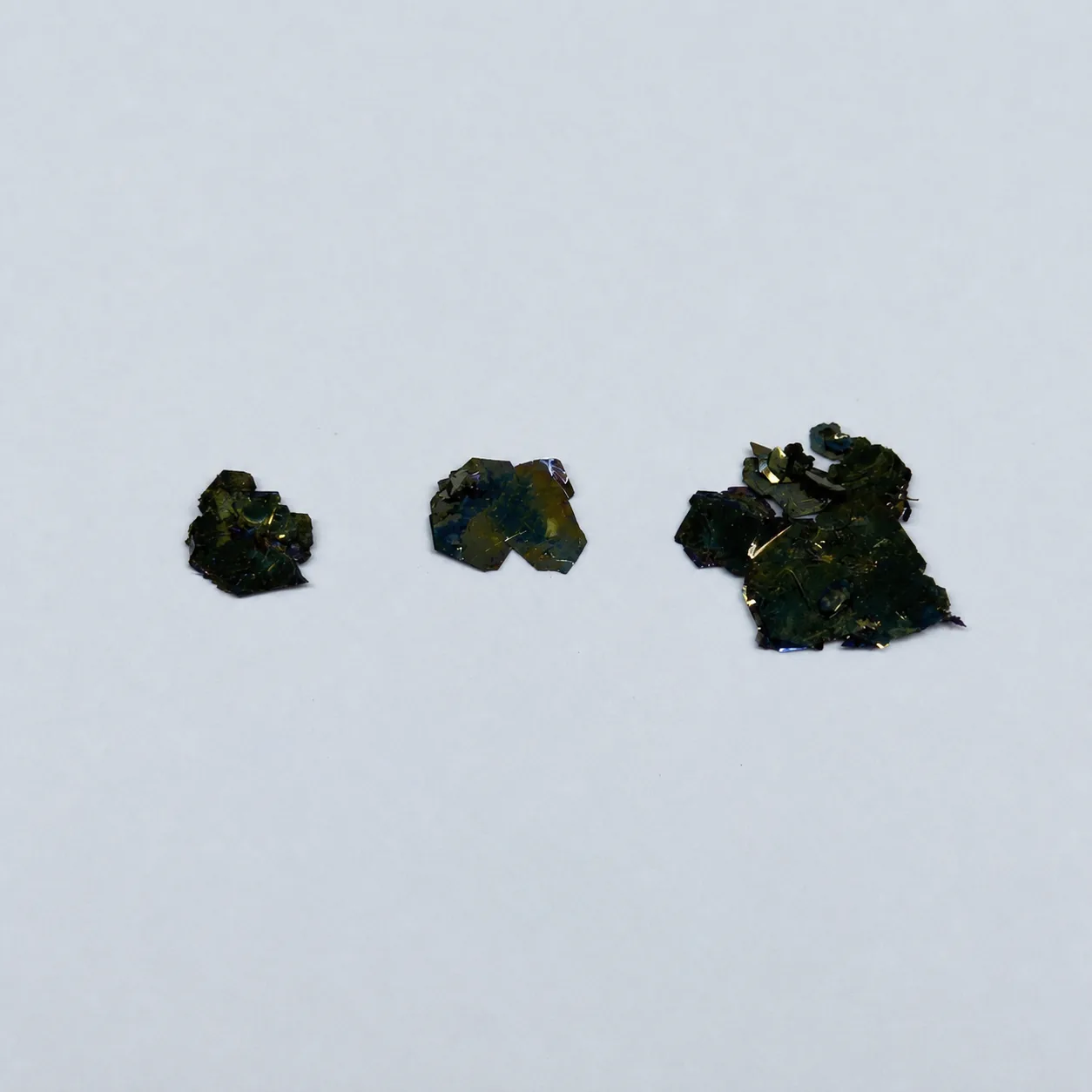
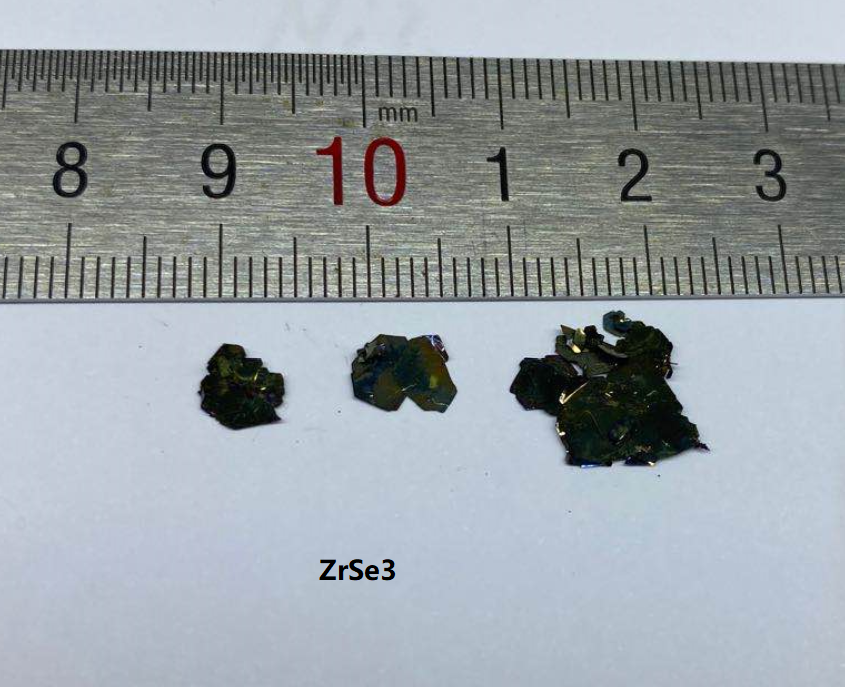
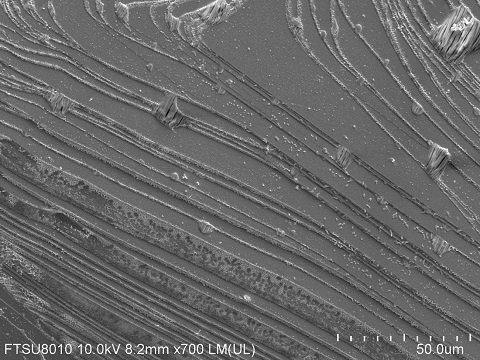
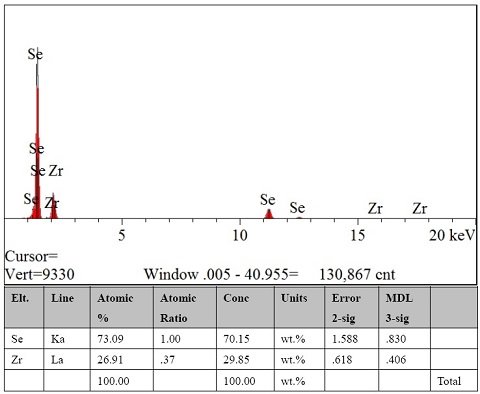
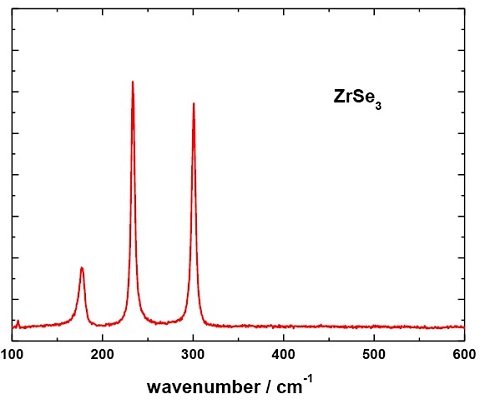
ZrSe₃ Crystals
ZrSe₃ (Zirconium Triselenide) is a quasi-one-dimensional (1D) transition metal trichalcogenide (TMT) with anisotropic electrical and optical properties. It is studied for applications in nanoelectronics, optoelectronics, and energy storage due to its variable semiconducting properties, carrier mobility, and excitonic effects. ZrSe₃ crystals are synthesized using the Chemical Vapor Transport (CVT) method.
Sample Size Options:
Crystals larger than 10 mm²
Crystals larger than 25 mm²
Crystals larger than 100 mm²
Material Properties:
Quasi-1D Layered Structure: Exhibits in-plane anisotropy in electrical and optical properties.
Semiconducting Behavior: Bulk ZrSe₃ has an indirect bandgap that transitions to a direct bandgap in monolayer form, supporting optoelectronic applications.
Anisotropic Optical Absorption: Polarization dependence in optical response, relevant for linear dichroism studies.
Carrier Mobility: Demonstrates charge-transport properties used in high-speed electronic-device research.
Excitonic Effects: Exhibits pronounced excitonic resonances due to reduced dielectric screening, supporting optical applications.
Crystal Structure:
Type: Triclinic layered structure with quasi-1D properties
Features: Layers applicable for thin-film fabrication and nanoscale device applications.
Degree of Exfoliation:
Ease of Use: Exfoliated into few-layer nanosheets for materials research and heterostructure fabrication.
Other Characteristics:
Anisotropic Transport Properties: Exhibits direction-dependent charge transport, applicable to electronic and quantum devices. Potential for Excitonic Devices: Electron-hole interactions support optoelectronic applications. Variable Optical & Electronic Properties: Bandgap and charge transport can be modified via layer thickness and strain engineering.
Applications:
Optoelectronics & Photodetectors:
Applicable for polarization-sensitive photodetectors and infrared light sensors. Nanoelectronics:
Applicable to high-speed transistors, thin-film semiconductors, and electronic devices. Energy Storage & Conversion:
Investigated for applications in lithium-ion and sodium-ion batteries due to its electrochemical properties.
2D Material Studies:
Applicable for exfoliation into monolayers and assembly into van der Waals heterostructures. Quantum Materials Research:
Permits exploration of excitonic interactions, anisotropic quantum transport, and valleytronic effects. Synthesis Method:
Chemical Vapor Transport (CVT).
| Option 1 | > 10 mm², > 100 mm², > 25 mm² |
|---|
Related products
-
FeCl₂ Crystals
Price range: $696.09 through $793.55 -
Co-Doped Bi₂Se₃ Crystals
$696.09 -
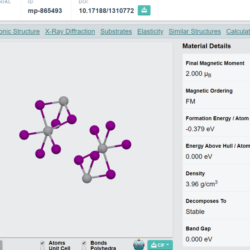
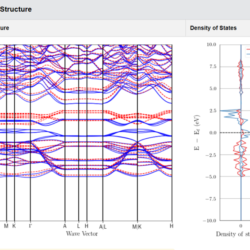
VI₃ Crystals
Price range: $696.09 through $835.32 -
WSSe Crystals
Price range: $835.32 through $1,252.98 -
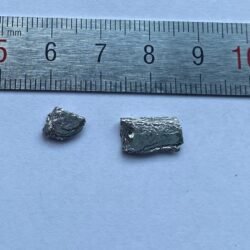
Ni₂Bi₂Te₅ Crystals
Price range: $696.09 through $793.55 -
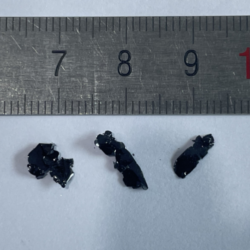
RuCl₃ Crystals
Price range: $696.09 through $1,252.98 -
VS₂ Crystals
Price range: $696.09 through $793.55 -
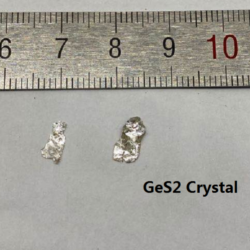
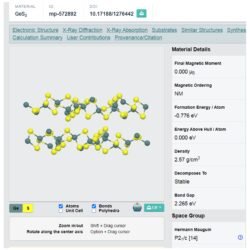
GeS₂ Crystals
Price range: $696.09 through $835.32 -
TiS₃ Crystals
Price range: $654.33 through $1,252.98 -
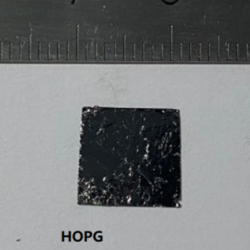
HOPG
$668.25