
Self-Supporting Three-Dimensional Graphene (Nickel Removed) (2 cm x 2 cm)
CAS Number: 7782-42-5
Substrate Size: 2 cm x 2 cm
Preparation Method: Three-dimensional graphene networks are fabricated by growing graphene thin film layers on nickel foam substrates via Chemical Vapor Deposition (CVD) at high temperatures. The 3D porous structure of the nickel foam acts as a template for the graphene network, and the metal is subsequently removed to obtain a self-supporting 3D graphene structure. Morphology Options:
Self-Supporting Three-Dimensional Graphene Network
For specific requirements, such as network density or structure, please contact us directly.
Substrate Options:
This product is self-supporting and does not rely on any external substrate. Configuration of the initial metal foam template (nickel, copper, etc.) is available upon request; please visit Custom Products page or contact us for assistance.
Fundamental Properties:
Three-dimensional graphene features a porous, interconnected network with an ultra-lightweight structure and large specific surface area. It combines electrical conductivity, chemical behavior, and mechanical robustness, supporting the listed applications. Listed properties include:
Electrical Properties: Electrical conductivity from the interconnected graphene network, applicable for energy storage and sensor applications.
Mechanical Properties: The ultra-lightweight structure allows handling and assembly into various devices.
Thermal Properties: Heat dissipation for energy and electronic systems.
Large Surface Area: The 3D structure has a large specific surface area, supporting catalytic and energy-storage applications.
Applications:
Energy Storage Devices: Used in supercapacitors, lithium-ion batteries, aluminum batteries, and sodium-ion batteries due to its electrical conductivity and large surface area.
Sensors: Applicable to chemical and gas sensing applications due to its large surface area and conductivity.
Composite Materials: Can be incorporated into composites for mechanical strength and conductivity.
Catalysis: The porous structure and electrical conductivity support catalytic reactions.
Related products
-
Rhenium Diselenide (ReSe₂)
$598.64 -
Bismuth Telluride (Bi₂Te₃)
$598.64 -

Molybdenum Disulfide (MoS₂)
Original price was: $584.72.$526.24Current price is: $526.24. Hot10% off -
-
Bismuth Selenide (Bi₂Se₃)
$598.64 -
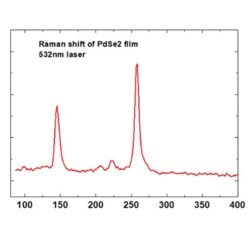
Palladium Diselenide (PdSe₂)
$598.64 -
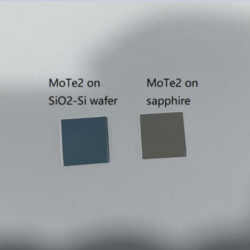
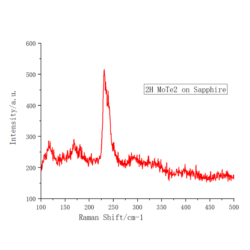
Molybdenum Ditelluride (MoTe₂)
$598.64 -
-
-
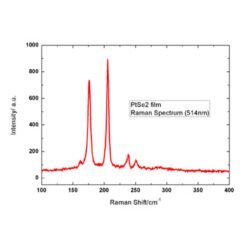
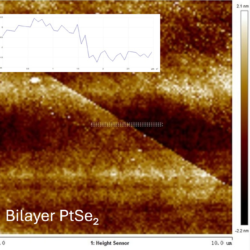
Platinum Diselenide (PtSe₂)
$598.64