

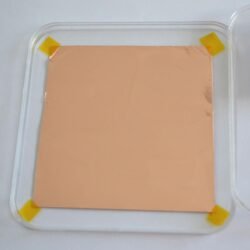
Nitrogen-Doped Monolayer Graphene Grown on Cu Foils (5 cm x 10 cm)
Graphene
CAS Number: N/A
Substrate Size: 5 cm x 10 cm
Preparation Method: Chemical Vapor Deposition (CVD)
Substrate Options:
Nitrogen-doped monolayer graphene films are directly grown on 50 µm-thick copper foils. Custom transfer to other substrates is available upon request-please visit our Custom Products page or contact us for assistance.
Fundamental Properties:
Nitrogen-doped monolayer graphene is a two-dimensional material consisting of a single layer of carbon atoms arranged in a hexagonal lattice with nitrogen atoms assembled into its structure. Nitrogen doping introduces additional electronic states, altering the graphene’s properties and enhancing its performance for specific applications. It exhibits properties, including:
Electrical Properties: High electrical conductivity with improved charge transfer characteristics due to nitrogen doping.
Mechanical Properties: High strength and flexibility, similar to pristine graphene, with a tensile strength of ~130 GPa.
Thermal Properties: High thermal conductivity, permits high-efficiency heat dissipation.
Chemical Activity: Enhanced chemical reactivity and catalytic activity due to nitrogen functional groups, broadening its application scope. These properties make nitrogen-doped graphene applicable to specialized technologies requiring high conductivity, chemical activity, and thermal behavior.
Applications:
Electronics: Enhanced conductivity and charge transfer characteristics make nitrogen-doped graphene applicable for standard electronic devices and conductive interconnects.
Sensors: Nitrogen-doped graphene is highly sensitive to gases, chemicals, and biological molecules, improving detection accuracy and selectivity in environmental and medical diagnostics. Energy Applications: Used in supercapacitors, lithium-ion batteries, and as a catalyst accommodates for fuel cells, nitrogen doping enhances electrochemical activity and energy storage efficiency.
Catalysis: Nitrogen doping improves catalytic activity for reactions such as oxygen reduction, hydrogen evolution, and CO₂ reduction. Composites and Coatings: Its mechanical strength and enhanced chemical properties make it valuable for functional coatings and composite materials in various industries.
Related products
-
-

Tungsten Disulfide (WS₂)
$584.72 -
Molybdenum Diselenide (MoSe₂)
$598.64 -
-

-
-
-

-
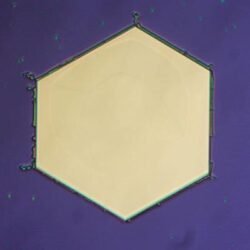
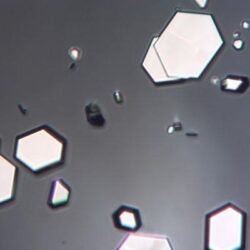
Nickel Ditelluride (NiTe₂)
$598.64 -
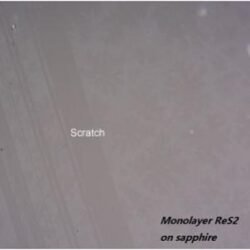
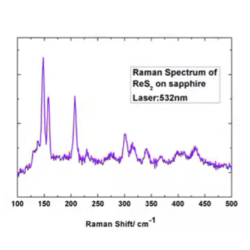
Rhenium Disulfide (ReS₂)
$598.64