
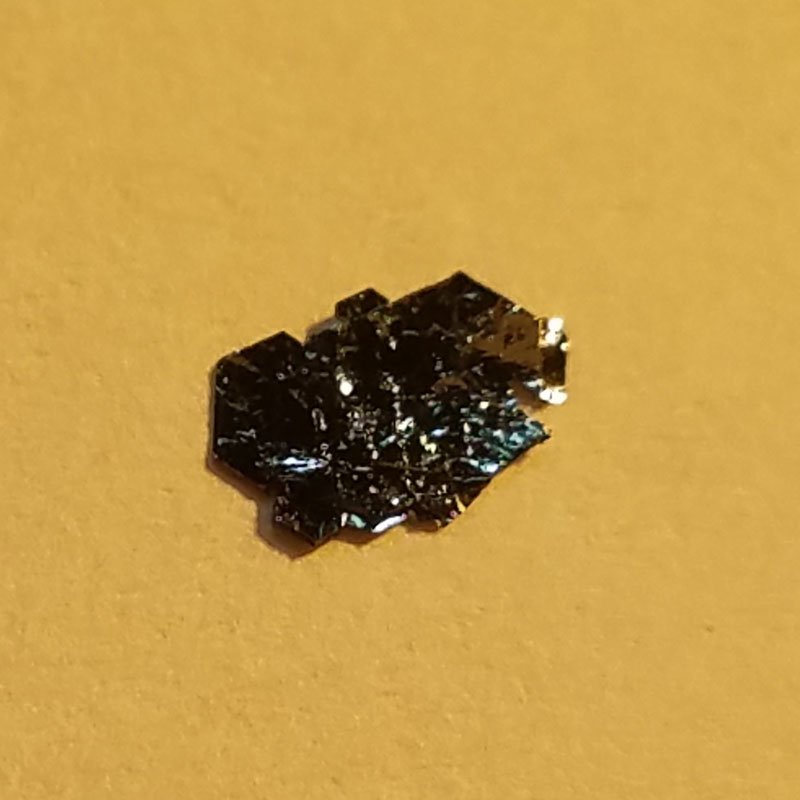
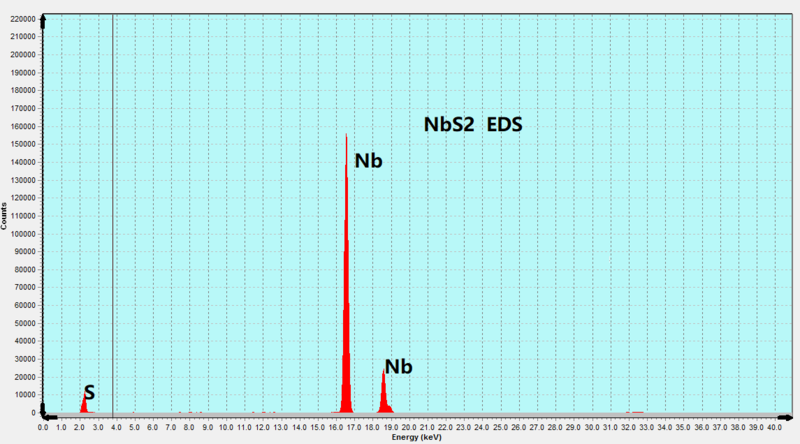
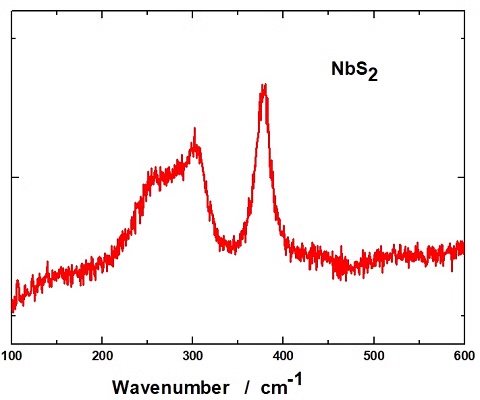
NbS₂ (3R Phase) Crystals
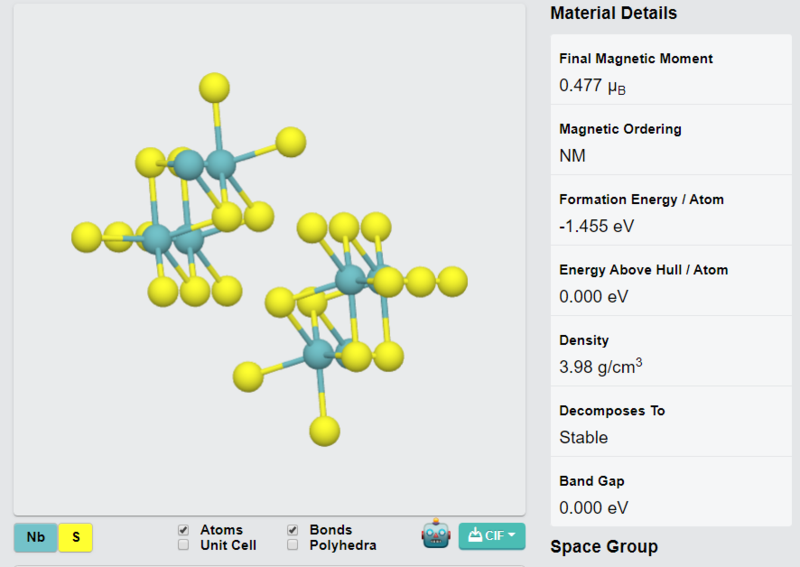
NbS₂ (Niobium Disulfide, 3R Phase) is a layered transition metal dichalcogenide (TMD) with a van der Waals structure. It has superconducting, electronic, and optical properties, supporting applications in nanoelectronics, spintronics, superconductivity research, and 2D material studies. NbS₂ (3R) crystals are synthesized using the Chemical Vapor Transport (CVT) method.
Sample Size Options:
Crystals larger than 10 mm²
Crystals larger than 25 mm²
Crystals larger than 100 mm²
Material Properties:
Layered van der Waals Structure: Facilitates exfoliation into monolayers or few-layer nanosheets for 2D materials research.
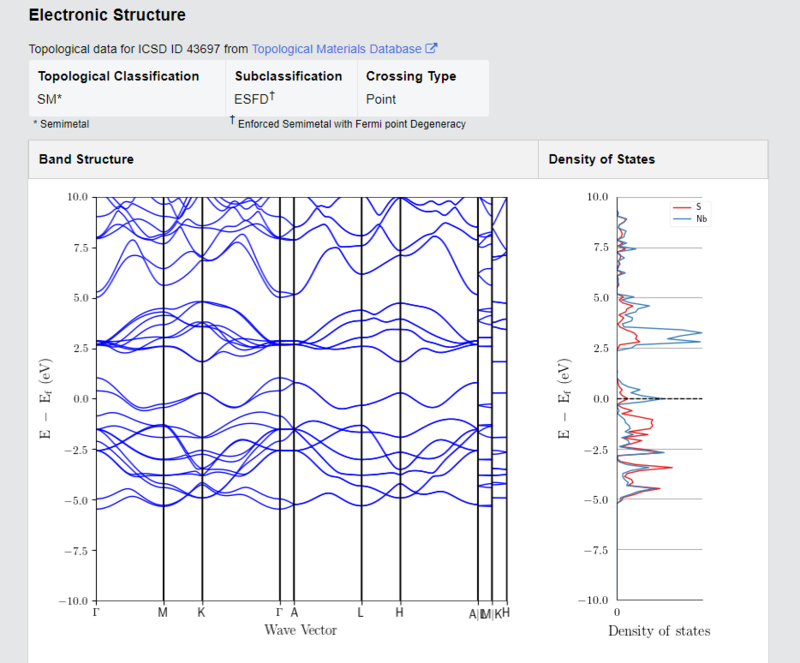
Superconducting Behavior: NbS₂ exhibits superconductivity at low temperatures, supporting quantum applications. Charge Density Wave (CDW) Effects: The material shows CDW transitions, which are relevant for condensed matter research.
Spin-Orbit Coupling: Applicable to spintronic applications due to its interaction with spin-polarized states.
Crystal Structure:
Type: 3R phase (rhombohedral) layered structure
Features: Layers applicable for thin-film fabrication and nanoscale device assembly.
Degree of Exfoliation:
Ease of Use: Exfoliated into monolayers or few-layer nanosheets for materials research and heterostructure fabrication.
Other Characteristics:
Anisotropic Electronic Properties: Exhibits direction-dependent charge transport behavior. Potential for Superconducting Devices: Applicable for low-temperature quantum and superconducting circuits. Metallic Conductivity in Few Layers: Layer-dependent tunability of electronic properties.
Applications:
Superconductivity Research:
Applicable for studying charge density wave effects and superconducting behavior in 2D systems. Nanoelectronics:
Used for transistors, electronic circuits, and quantum devices. Spintronics:
Relevant for exploring spin-orbit coupling and spin-related quantum phenomena.
2D Material Studies:
Applicable to exfoliation into monolayers and assembly into van der Waals heterostructures. Energy Storage & Catalysis:
Potential applications in battery electrodes, hydrogen evolution reactions (HER), and catalytic processes. Synthesis Method:
Chemical Vapor Transport (CVT).
| Option 1 | > 10 mm², > 100 mm², > 25 mm² |
|---|
Related products
-
BiOCl Crystals
Price range: $696.09 through $793.55 -
MoTe₂ Crystals (2H phase)
Price range: $696.09 through $793.55 -
WSeTe Crystals
Price range: $835.32 through $1,252.98 -
GeS Crystals
Price range: $696.09 through $765.70 -
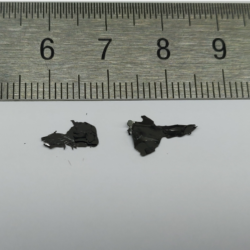
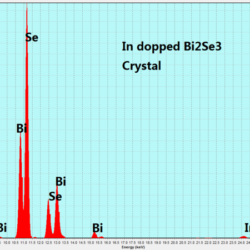
InBiSe₃ Crystals
Price range: $696.09 through $1,252.98 -
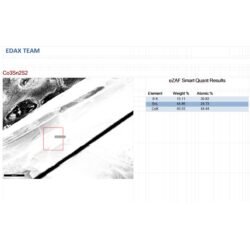
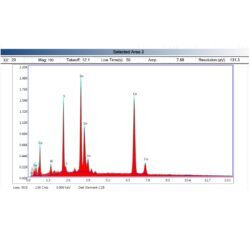
Co₃Sn₂S₂ Crystals
$835.32 -
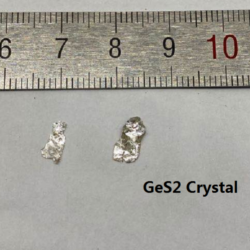
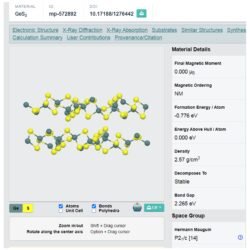
GeS₂ Crystals
Price range: $696.09 through $835.32 -
VI₃ Crystals
Price range: $696.09 through $835.32 -
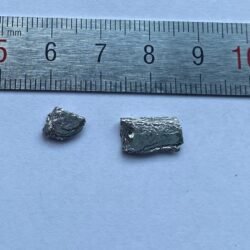
Ni₂Bi₂Te₅ Crystals
Price range: $696.09 through $793.55 -
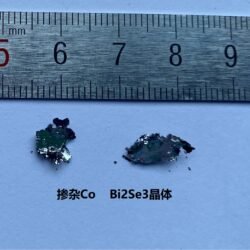
Co-Doped Bi₂Se₃ Crystals
$696.09