
ZrS₃ Crystals
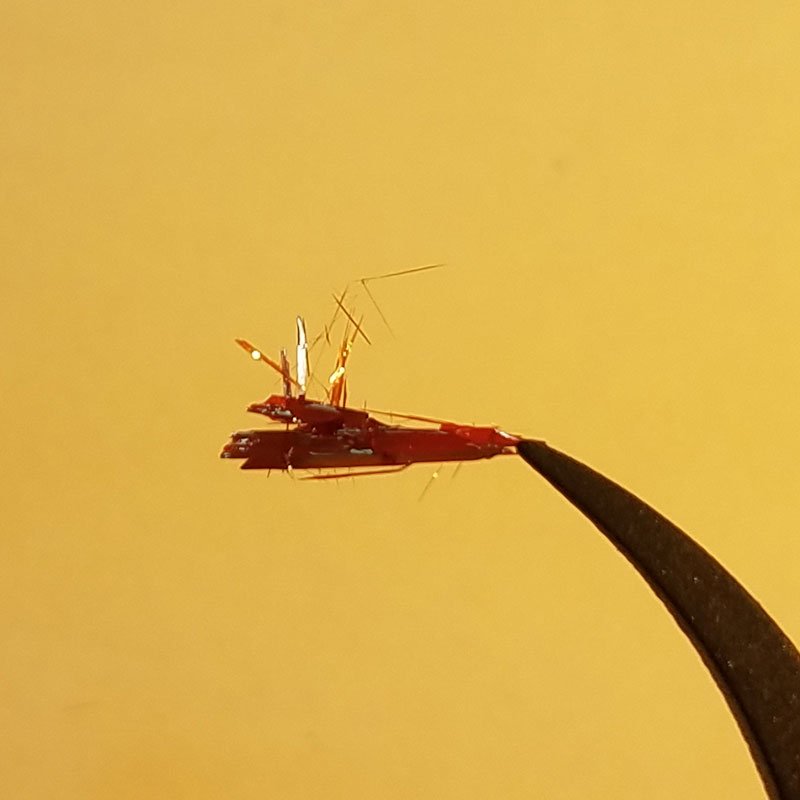
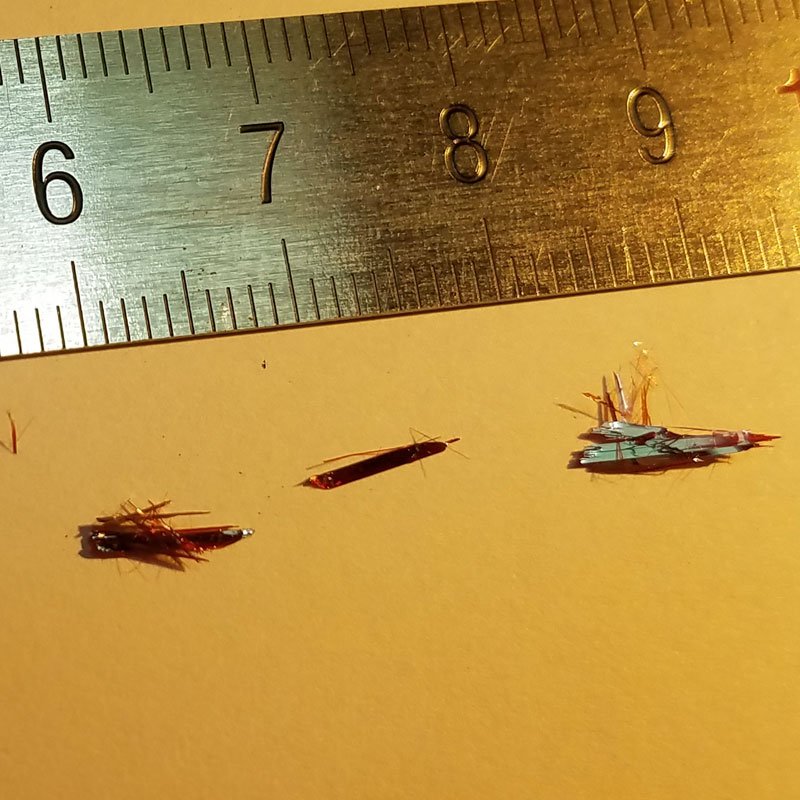
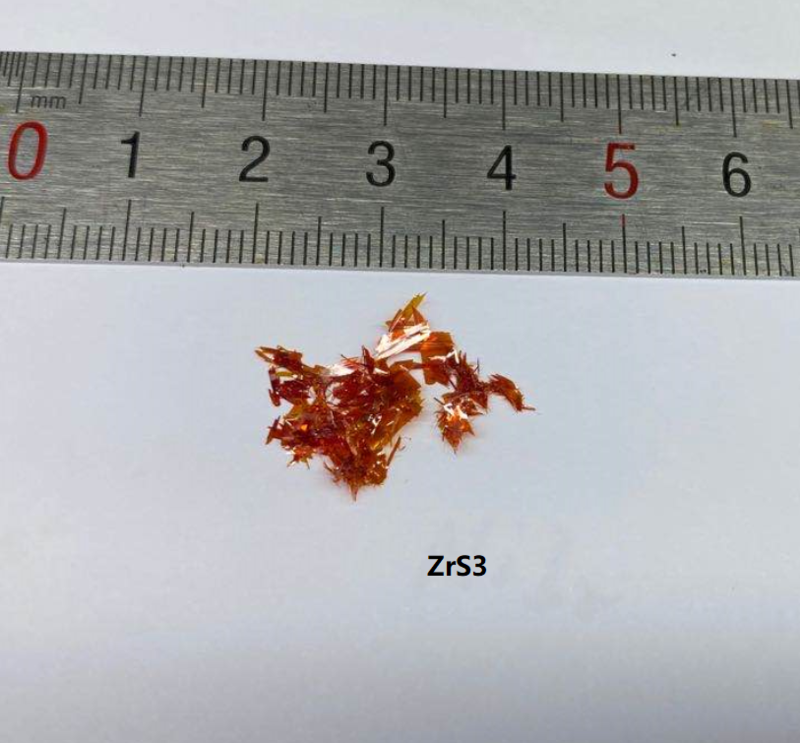
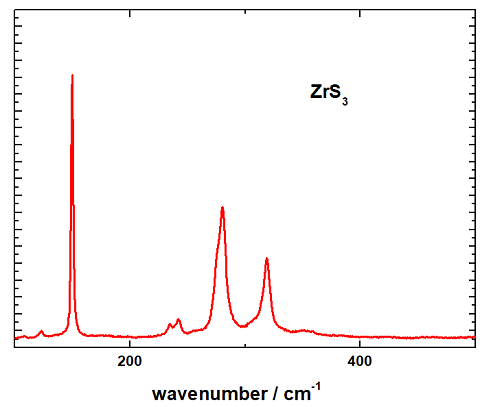
ZrS₃ (Zirconium Trisulfide) is a quasi-one-dimensional (1D) transition metal trichalcogenide (TMT) with anisotropic electrical and optical properties. It exhibits a variable bandgap, excitonic effects, and carrier mobility, supporting applications in nanoelectronics, optoelectronics, and energy storage. ZrS₃ crystals are synthesized using the Chemical Vapor Transport (CVT) method.
Sample Size Options:
Crystals larger than 10 mm²
Crystals larger than 25 mm²
Crystals larger than 100 mm²
Material Properties:
Quasi-1D Layered Structure: Exhibits in-plane anisotropy in electrical and optical properties.
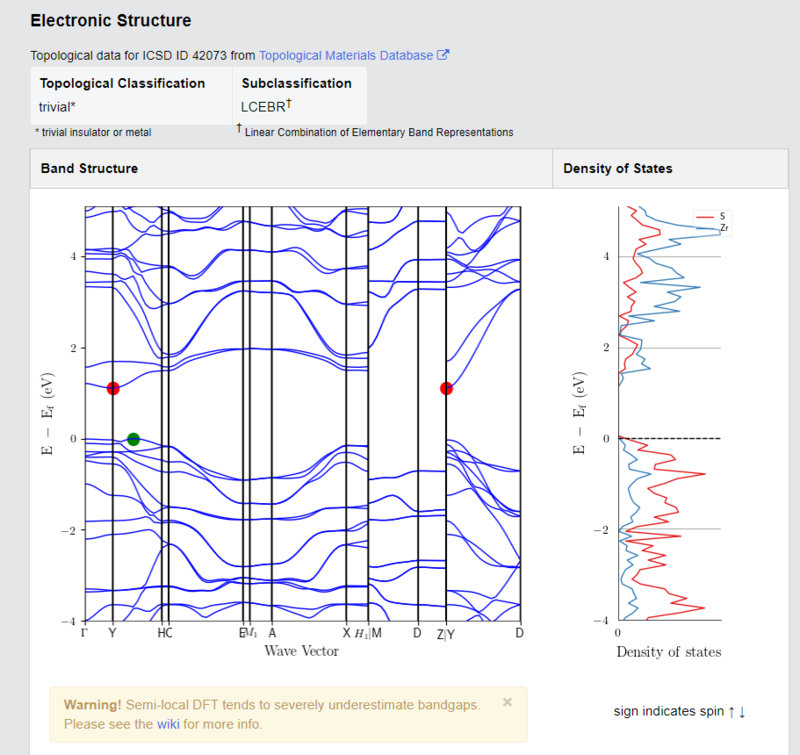
Semiconducting Behavior: Bulk ZrS₃ has an indirect bandgap of ~1.9 eV, which transitions to a direct bandgap in monolayer form (~2.2 eV), supporting optoelectronic applications.
Excitonic Effects: Exhibits pronounced excitonic resonances due to reduced dielectric screening, contributing to the optical response.
Anisotropic Optical Absorption: Polarization-dependent optical response, relevant for linear dichroism studies.
Carrier Mobility: Demonstrates charge-transport properties used in high-speed electronic-device research.
Environmental behavior: Ambient-condition behavior is compared with Mo- and W-based transition metal dichalcogenides (TMDs).
Crystal Structure:
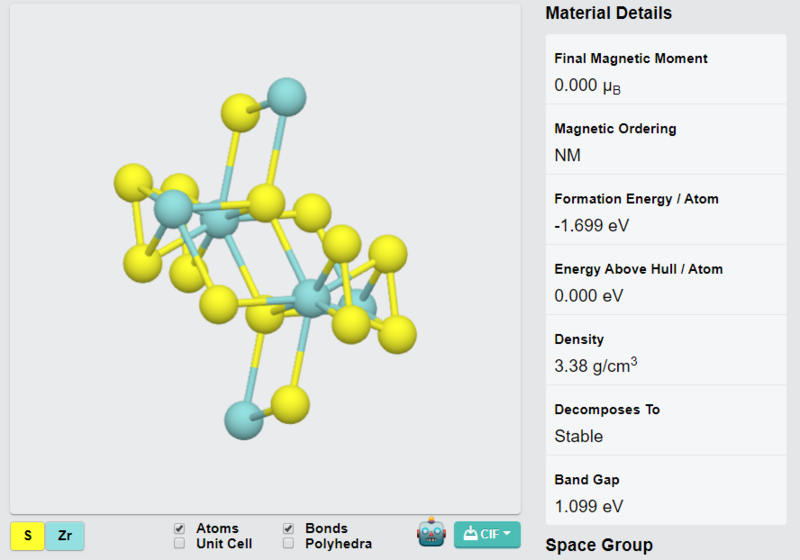
Type: Triclinic layered structure with quasi-1D properties
Features: Layers applicable for thin-film fabrication and nanoscale device applications.
Degree of Exfoliation:
Ease of Use: Exfoliated into few-layer nanosheets for materials research and heterostructure fabrication.
Other Characteristics:
Anisotropic Transport Properties: Exhibits direction-dependent charge transport, applicable to electronic and quantum devices. Potential for Excitonic Devices: Electron-hole interactions support optoelectronic applications. Variable Optical & Electronic Properties: Bandgap and charge transport can be modified via layer thickness and strain engineering.
Applications:
Optoelectronics & Photodetectors:
Applicable for polarization-sensitive photodetectors and infrared light sensors.
Nanoelectronics: Applicable to high-speed transistors, thin-film semiconductors, and electronic devices. Energy Storage & Conversion:
Investigated for applications in lithium-ion and sodium-ion batteries due to its electrochemical properties.
2D Material Studies:
Applicable for exfoliation into monolayers and assembly into van der Waals heterostructures. Quantum Materials Research:
Permits exploration of excitonic interactions, anisotropic quantum transport, and valleytronic effects. Synthesis Method:
Chemical Vapor Transport (CVT).
| Option 1 | > 10 mm², > 100 mm², > 25 mm² |
|---|
Related products
-
BiI₃ Crystals
Price range: kr6,647.86 through kr11,966.26 -
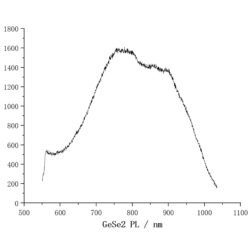
GeSe₂ Crystals
Price range: kr6,647.86 through kr7,578.58 -
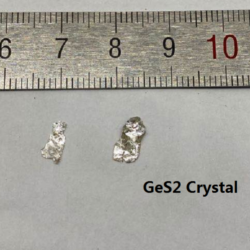
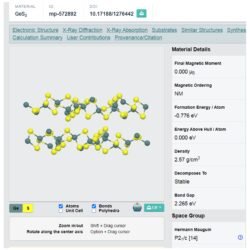
GeS₂ Crystals
Price range: kr6,647.86 through kr7,977.46 -
VS₂ Crystals
Price range: kr6,647.86 through kr7,578.58 -
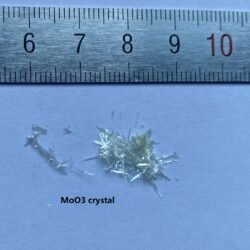
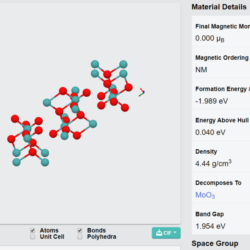
α-MoO₃ Crystals
Price range: kr6,116.02 through kr6,647.86 -
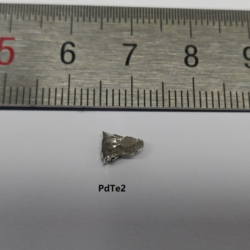
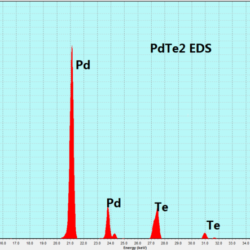
PdTe₂ Crystals
kr6,647.86 -
TiS₃ Crystals
Price range: kr6,248.98 through kr11,966.26 -

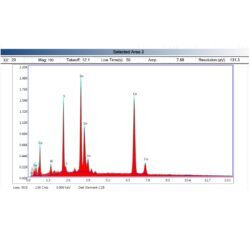
Co₃Sn₂S₂ Crystals
kr7,977.46 -
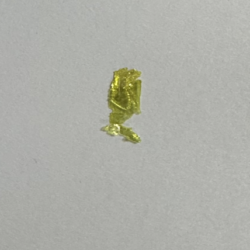
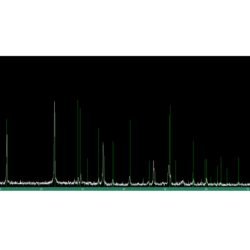
GaS Crystals
Price range: kr6,647.86 through kr7,578.58 -
FeCl₃ Crystals
Price range: kr6,647.86 through kr11,966.26